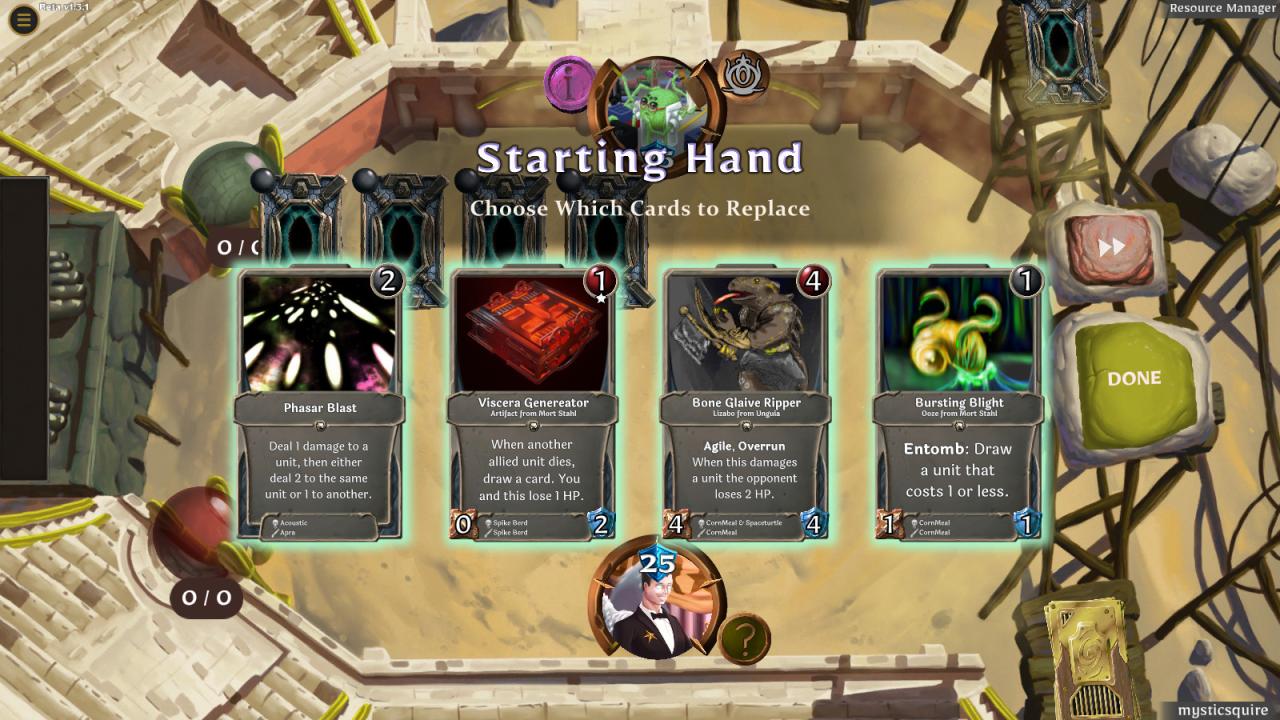
The card game community sets the stage for this enthralling narrative, offering readers a glimpse into a story that is rich in detail and brimming with originality from the outset. Within this vibrant world, players of all backgrounds gather to celebrate their love for various card games, forging friendships and sharing strategies along the way. Understanding the nuances of this community reveals not just the games themselves, but the connections and cultural significance they hold in our society.
From classic games like Poker and Bridge to innovative designs that blend digital and physical elements, the card game community thrives on diversity and creativity. Players come together to enjoy spirited competitions, foster social interactions, and provide a welcoming space for everyone, from novices to seasoned pros.
Understanding the Card Game Community
The card game community is a vibrant and diverse ecosystem where players gather to share their passion for various card games. This community plays a significant role in promoting games, fostering friendships, and creating shared experiences among players of all skill levels. The concept of a card game community extends beyond mere gameplay; it’s about building connections and participating in an ongoing dialogue about strategies, game mechanics, and trends.Within this community, numerous types of card games thrive, from collectible card games (CCGs) like Magic: The Gathering to traditional card games such as Poker and Rummy.
Each genre attracts its own audience and builds distinct communities based on shared interests. Key characteristics of an engaged card game community include regular meetups, online interactions, and a shared commitment to improving gameplay through discussion and collaboration.
Popular Card Game Genres
Card games come in various genres, each with unique gameplay mechanics and themes. Understanding these genres is essential for players looking to find their niche or expand their interests. Here are some notable genres along with descriptions and popular examples:
- Collectible Card Games (CCGs): These games allow players to build their own decks by collecting cards, often featuring unique abilities and artwork. Example games include Magic: The Gathering and Yu-Gi-Oh!
- Trading Card Games (TCGs): Similar to CCGs but focus more on trading cards with other players to enhance their decks. Pokémon Trading Card Game is a prime example.
- Deck-Building Games: Players start with a small deck and gradually acquire more cards to improve their strategy over time. Notable games include Dominion and Ascension.
- Traditional Card Games: These are classic games often played with a standard deck of cards, like Poker, Bridge, and Rummy.
- Party Card Games: Designed for larger groups, these games emphasize fun and social interaction, such as Cards Against Humanity and Exploding Kittens.
When comparing gameplay mechanics, CCGs often emphasize strategic deck-building, while traditional card games tend to focus on bluffing and psychological tactics. Deck-building games encourage continuous improvement and resource management, creating a dynamic gaming experience.
Role of Online Platforms in Card Game Communities
Online platforms play a crucial role in facilitating connections within the card game community. They provide players with the tools to discuss strategies, share deck ideas, and set up events. Social media has transformed how players interact, allowing for instant communication and widespread sharing of content related to card games.Forums and dedicated websites serve as valuable resources for players seeking information on card games.
These platforms host discussions, tutorials, and news updates, contributing to a sense of belonging among community members. The ability to connect with like-minded players across the globe has enriched the card gaming experience, making it more accessible and inclusive.
Organizing Card Game Tournaments
Organizing a local card game tournament can be a rewarding experience for both players and organizers. Here’s a step-by-step guide to making it happen:
- Choose a game: Select a popular card game that has a dedicated player base in your community.
- Set a date and venue: Find a suitable location, whether it’s a local game store or a community center, and choose a date that works for most players.
- Determine the format: Decide on the tournament structure, such as single elimination or Swiss format, to accommodate various skill levels.
- Promote the event: Utilize social media, online forums, and local bulletin boards to spread the word and attract participants.
- Gather materials: Ensure you have all necessary supplies, including score sheets, prize packs, and seating arrangements.
- Run the tournament: On the day of the event, manage match pairings, keep track of scores, and ensure a smooth experience for all players.
Promoting tournaments effectively involves leveraging local gaming communities and online platforms. Partnerships with local game stores can enhance visibility, while sponsorships from gaming companies can provide additional prizes and resources, improving the overall experience.
Building a Local Card Game Group
Starting a local card game group requires careful planning and organization. Here’s a comprehensive procedure to help you establish one:
- Define the group’s focus: Determine the specific card games or genres your group will center around to attract like-minded individuals.
- Choose a regular meeting time and place: Select a consistent schedule and venue that accommodates members.
- Promote the group: Use social media and local gaming communities to invite potential members and raise awareness.
- Provide resources: Share information about decks, strategies, and upcoming events to keep members engaged.
- Organize events: Plan regular game nights, special tournaments, or themed gatherings to maintain excitement and participation.
Attracting new members often involves creating a welcoming atmosphere where newcomers feel comfortable learning and participating. Consider hosting beginner-friendly events to ease new players into the community.
Exploring Card Game Strategy
Strategizing is a crucial aspect of card gaming, with various methods employed across different titles. Players frequently analyze their gameplay to identify strengths and weaknesses. For instance, in Magic: The Gathering, players may focus on card synergy and resource management, whereas Poker players might hone their bluffing and reading skills.Renowned players like Jon Finkel and Gabriel Nassif have become icons in the card game world, each utilizing distinct strategies that have led to their success.
Their approaches serve as inspiration for aspiring players and highlight the importance of continuous learning and adaptation in gameplay.
Cultural Impact of Card Games
Card games often reflect cultural trends and societal issues, serving as mirrors of the times. They foster social interactions, providing a space for people to connect and bond over shared interests. Historical examples, such as the role of card games in the salons of 18th-century France, illustrate how these games can influence culture and social dynamics.In modern society, card games continue to play a significant role in community building, whether through casual gatherings or competitive events.
They encourage teamwork, strategic thinking, and social engagement, reinforcing their importance in both social and cultural contexts.
Innovations in Card Gaming

Recent innovations in card game design and technology have reshaped the gaming landscape. Hybrid games that merge digital and physical elements, such as Gwent, showcase the potential for exciting new experiences. Technologies like augmented reality are also beginning to influence how players interact with games, creating immersive environments.Looking ahead, the future of card games seems promising, with increased community engagement through online platforms and innovations.
Anticipating trends such as enhanced accessibility and diverse game formats will help ensure the continued growth of the card game community.
Resources for Card Game Enthusiasts
For those who want to dive deeper into the world of card games, a variety of resources are available:
- Books: Titles such as “The Art of Magic: The Gathering” and “Playing to Win” provide valuable insights into strategies and game design.
- YouTube Channels: Channels like “The Command Zone” and “Tolarian Community College” offer discussions, tutorials, and card reviews.
- Podcasts: Shows like “Limited Resources” and “Drive to Work” feature expert discussions on gameplay and community trends.
- Online Resources: Websites like MTGGoldfish and EDHREC serve as hubs for deck building and strategy exploration.
These resources enable enthusiasts to refine their skills and stay updated on the latest trends in the card game community.
The Future of Card Game Communities
Emerging trends in card game communities indicate a shift towards inclusivity and diversity. Fostering environments that welcome newcomers and celebrate different backgrounds will shape the future of these communities. Engaging in dialogues about representation and accessibility can strengthen the sense of belonging for all players.As the card game community evolves, emphasizing collaboration, support, and inclusivity will be essential in maintaining a vibrant and welcoming atmosphere for both new and seasoned players alike.
Concluding Remarks
As we’ve explored, the card game community is a dynamic and inclusive environment that grows and evolves with its members. The passion for card games not only enhances our enjoyment but also helps to shape cultural trends and social bonds. Embracing the future with innovations and inclusivity, the community is set to continue thriving, ensuring that card gaming remains a beloved pastime for generations to come.
Question Bank
What types of card games are popular?
Popular card games include Poker, Magic: The Gathering, Yu-Gi-Oh!, and Uno, each offering unique gameplay experiences.
How can I find a local card game group?
Look for local gaming stores, community centers, or online platforms like Meetup to find or create groups.
What are some essential tools for card gaming?
Key tools include a good deck of cards, dice, sleeves for protection, and perhaps a game mat for play area management.
How do online platforms enhance card game communities?
Online platforms facilitate connections, provide resources, and host virtual tournaments, expanding community engagement.
What is the role of social media in card games?
Social media helps players share strategies, promote events, and connect with others who share their passion for card games.


