
Latin American card games are more than just pastimes; they weave together the rich tapestry of culture, history, and community across the region. From family gatherings to festive celebrations, these games serve as a bridge connecting generations and creating memories filled with laughter and competition.
In various countries, you’ll find a delightful array of games, each with its own unique flavor and rules. Understanding these games offers insight into the social dynamics and values that shape Latin American societies, allowing players and spectators alike to appreciate the artistry and skill involved in each match.
Overview of Latin American Card Games
Card games have played a crucial role in the cultural fabric of Latin America for centuries. Historically, they served as both a form of entertainment and a means of social interaction, reflecting the diverse traditions and values of various communities. From the bustling streets of Buenos Aires to the quiet corners of rural villages, card games have been a staple pastime, fostering connections among friends and family.In Latin America, several popular types of card games have emerged, each with its own set of rules and gameplay styles.
These games vary significantly across different regions, showcasing the rich cultural diversity that characterizes the continent. Socially, card games are often played during gatherings, celebrations, and family reunions, creating an atmosphere of camaraderie and shared enjoyment.
Popular Latin American Card Games
Among the myriad of card games enjoyed in Latin America, a few stand out due to their popularity and unique gameplay. Notable games include Mus, Truco, and others, each with distinct rules and regional variations.
| Game | Rules | Gameplay | Regional Variations |
|---|---|---|---|
| Mus | Played with a deck of 40 cards; 4 players in two teams. | Players bid and play rounds to win points. | Variations exist in Spain and parts of South America. |
| Truco | Utilizes a 40-card deck; involves bluffing and strategy. | Players score points through trick-taking and betting. | Popular variations in Argentina, Brazil, and Uruguay. |
| Others | Varied rules; games like Rummy and Buraco are also popular. | Typically involve forming sets or sequences. | Regional adaptations exist based on local preferences. |
Cultural Importance of Card Games
Card games are more than just a source of entertainment; they are a reflection of the traditions and values ingrained in Latin American societies. These games often embody the spirit of competition, cooperation, and community bonding. In family gatherings, card games often create unforgettable moments. For example, a story from a family reunion in Mexico highlights how a simple game of Lotería turned into a lively event, sparking laughter and friendly banter among generations.
These shared experiences strengthen familial ties and create lasting memories.Moreover, card games serve as a bonding activity among friends, often acting as a catalyst for deeper conversations and shared experiences. The informal setting allows players to engage in storytelling and laughter, enhancing their relationships.
Strategies and Techniques in Latin American Card Games
Players of Latin American card games often develop specific strategies to enhance their chances of winning. Understanding the rules and gameplay mechanics is essential, but employing tactics can give players an edge over their opponents. Here are some common strategies:
- Reading opponents’ body language and betting patterns.
- Knowing when to bluff and when to play conservatively.
- Mastering the art of communication with teammates in team-based games.
For beginners, here are some tips to improve gameplay:
- Practice regularly to become familiar with game dynamics.
- Observe experienced players to learn advanced techniques.
- Focus on understanding the scoring system to strategize effectively.
The difference in strategies between experienced players and novices often lies in their decision-making processes. Experienced players tend to be more strategic and adaptable, while novices may rely more on luck and basic gameplay.
| Player Type | Key Characteristics |
|---|---|
| Experienced | Strategic, adaptable, and skilled in reading opponents. |
| Novice | Learning basic rules, relying on luck, and less strategic. |
The Role of Technology in Card Games
The rise of digital platforms has significantly impacted traditional Latin American card games. Online versions of these games have made them more accessible to a wider audience, transcending geographical barriers.Digital gaming has transformed how people engage with card games, allowing for real-time play with friends and family regardless of distance. The convenience of mobile apps and online platforms has also introduced new players to these classic games, fostering a resurgence in popularity.Some popular apps and platforms that feature Latin American card games include:
- Mus Online
- Truco Online
- CardGames.io
Card Games as Educational Tools
Card games can be valuable educational tools, teaching math, strategy, and critical thinking skills. The combination of fun and learning makes them an effective way to engage students in cognitive development.In various educational settings, teachers have incorporated Latin American card games into their curriculum. For instance, games like Rummy can help students practice addition and subtraction while developing strategic thinking.
The cognitive benefits of playing card games extend to different age groups. For children, these games enhance numeracy and social skills, while adults often find improvements in memory and strategic thinking.
Future of Latin American Card Games
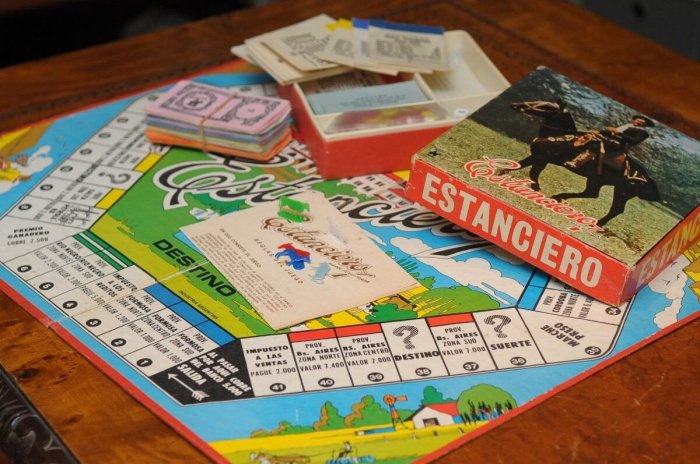
Emerging trends in the world of card games within Latin America indicate a growing interest in innovative gameplay and digital adaptations. As globalization influences cultural exchanges, traditional card games may evolve to incorporate new elements and styles.The potential influence of globalization is evident as online versions of these games gain widespread popularity. Players from various backgrounds are now engaging with Latin American card games, leading to hybrid formats and new variations.Predictions suggest that Latin American card games will continue to adapt in the coming years, blending traditional gameplay with modern technology and social interaction.
This evolution may result in a renewed appreciation for these cultural staples, ensuring their relevance for future generations.
Ending Remarks
As we conclude this exploration of Latin American card games, it becomes clear that these games are not only entertaining but also vital in preserving cultural heritage and fostering connections. Whether played in bustling streets or quiet living rooms, the legacy of these games continues to evolve, promising new stories and experiences for generations to come.
Question & Answer Hub
What are some common Latin American card games?
Popular games include Mus, Truco, and Rummy, each with regional variations and unique rules.
How do card games impact social interactions in Latin America?
These games foster social bonds, often played during gatherings, celebrations, and family events, promoting communication and teamwork.
Can card games be used for educational purposes?
Yes, they can teach math, strategy, and critical thinking skills, and are often used in classrooms to engage students.
What role does technology play in Latin American card games?
Digital platforms have broadened access to these games, enabling online play and introducing them to new audiences worldwide.
Are there any emerging trends in Latin American card games?
There is a growing interest in hybrid formats that combine traditional gameplay with modern technology and online accessibility.


